What Actually Happens During a Traditional Thai Blessing Ceremony?
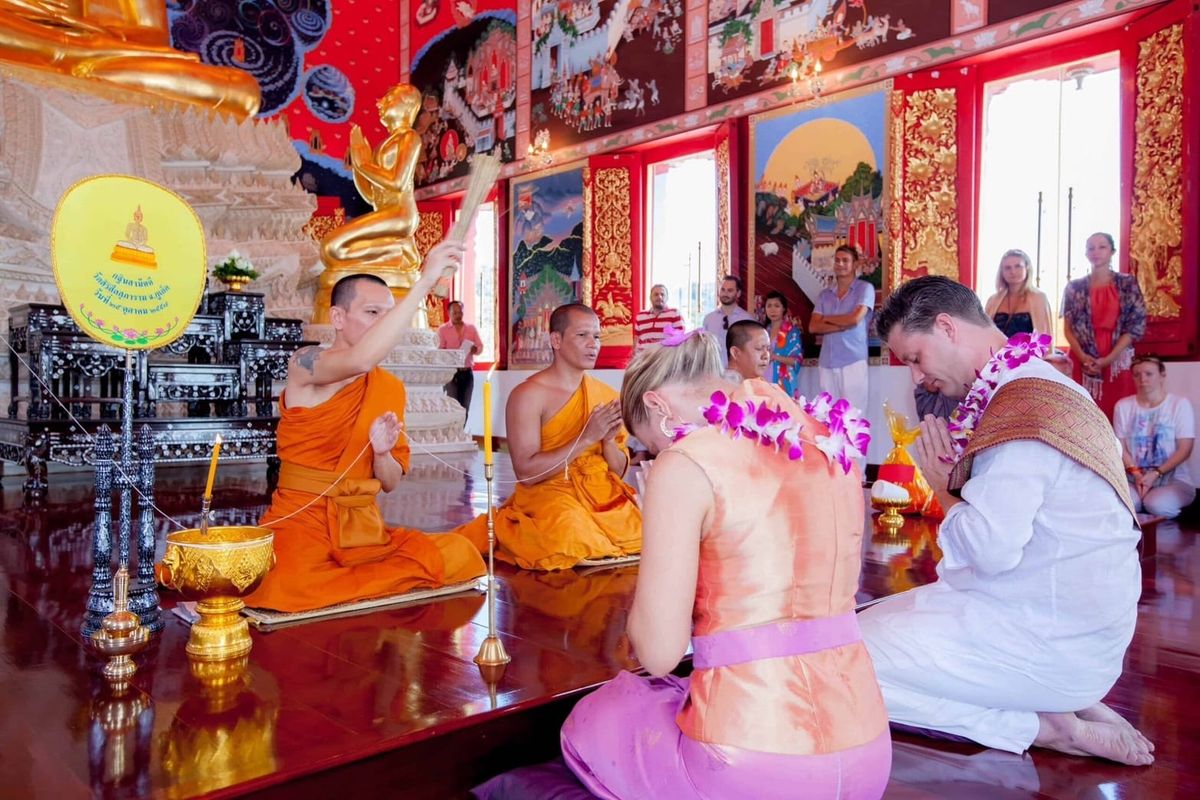
Traditional Thai ceremonies can look mysterious to someone seeing them for the first time.
Monks chanting.
Candles.
Sacred water.
White thread.
Offerings.
Yantra symbols.
What does it all mean?
When broken down into stages, it becomes much easier to understand.
🪷 1. Preparation Before the ceremony begins, the space, Buddha images, flowers, candles, offerings, and ritual items are arranged.
This creates a respectful environment and marks the transition from everyday activity into a ceremonial setting.
🪷 2. Paying respect and chanting In Buddhist ceremonies, participants usually pay respect to the Triple Gem, while monks recite traditional chants.
Beyond their religious meaning, chanting also creates a calm atmosphere that encourages participants to focus their minds.
🪷 3. Making a wholesome wish Participants may make wishes for themselves or others.
Health, peace, family harmony, wisdom, work, business, and good relationships may all become part of a sincere aspiration.
🪷 4. Blessing Depending on the tradition, sacred water, blessed thread, candles, or other ceremonial elements may be used to express blessing and auspiciousness.
🪷 5. Dedication of merit Wholesome actions and merit may then be dedicated to parents, ancestors, departed loved ones, and other beings.
So a traditional ceremony is not simply about “mystical power.”
It may also bring together:
Respect.
Concentration.
Wholesome intention.
Blessing.
Gratitude.
And generosity.
Once these ideas are understood, a Thai traditional ceremony begins to look much less mysterious — and much more meaningful.