Sak Yant: More Than a Thai Tattoo
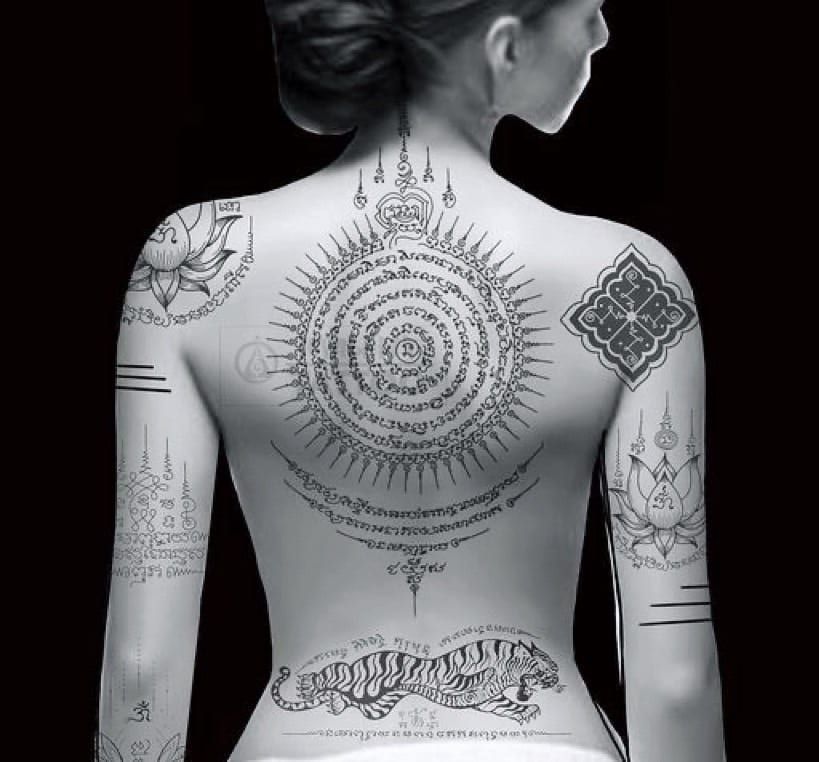
Many visitors see Sak Yant for the first time and simply think:
“It is a Thai tattoo.”
Visually, yes, it is tattooing.
But culturally, traditional Sak Yant carries a much deeper background.
The Thai word สัก (Sak) refers to tattooing, while ยันต์ (Yant) refers to sacred yantra designs and symbolic diagrams.
Together, they form what is commonly known today as Sak Yant.
🪷 The designs are more than decoration Traditional Sak Yant may incorporate sacred geometry, Pali formulas represented through traditional scripts, Buddhist symbolism, animals, deities, or symbols associated with particular teachers and lineages.
Different designs carry different traditional meanings.
Some are associated with protection.
Some with loving-kindness and popularity.
Others may symbolize courage, authority, wisdom, or success.
🪷 Why is lineage important? Traditional Sak Yant is not simply about selecting an attractive design and placing it on the skin.
Many traditions place great importance on ครู (Khru) — the teacher, master, and lineage through which knowledge is transmitted.
For this reason, Sak Yant traditions may involve paying respect to teachers, chanting, blessing, or other ritual practices.
🪷 Does a Sak Yant guarantee anything? No.
Having a sacred design on the body does not replace a person’s actions, character, or choices.
In fact, many traditional lineages emphasize ethical behavior, respect for teachers, discipline, and avoiding harmful conduct.
Sak Yant is therefore better understood not simply as a “magical tattoo,” but as a traditional practice bringing together sacred design, cultural symbolism, lineage, belief, and personal commitment.