How Did Thailand’s Sacred Object Tradition Develop?
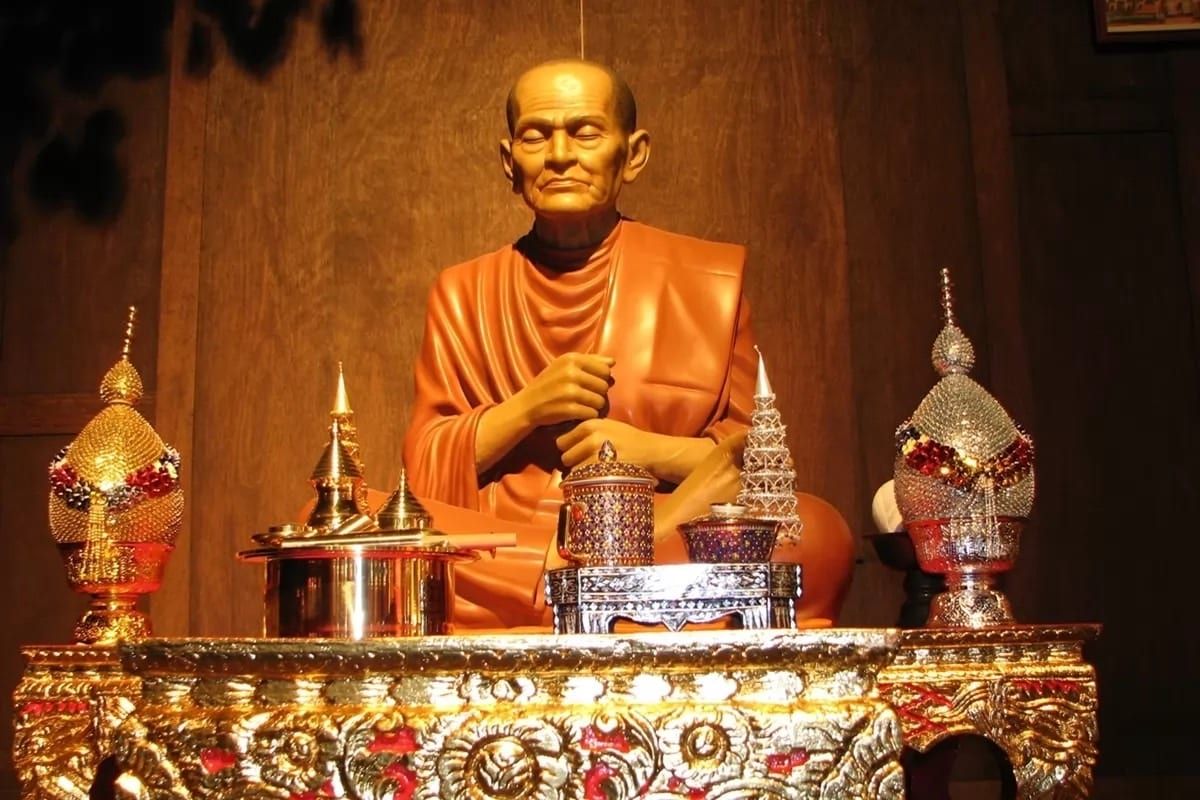
Mention Thailand and many people immediately think of Buddhist amulets.
But Thai sacred-object culture extends far beyond amulets.
Buddha images, votive tablets, yantra cloths, takrut scrolls, sacred powders, blessed objects, and regional forms of protective items all belong to a much wider cultural world.
🪷 Why did sacred objects develop? Historically, people could not travel as easily as we can today.
Small Buddha images, amulets, and blessed objects therefore became portable reminders of temples, teachers, teachings, and faith.
Over time, different temples, masters, regions, and lineages developed their own methods, materials, symbols, and traditions.
🪷 What makes a sacred object meaningful? Different people value different things.
Some care about the temple of origin.
Others focus on the master or lineage.
Collectors may study age, materials, inscriptions, production methods, and historical context.
Others are drawn to the story behind the object.
From a cultural perspective, one of the most useful questions is not simply:
“Which one is the most powerful?”
Instead, ask:
Who created it?
Why was it created?
Which tradition does it belong to?
What is its history?
Once we begin asking these questions, a sacred object becomes more than something to buy or collect.
It becomes a doorway into Thai history, religion, craftsmanship, and traditional culture.