Why Do Buddhism, Brahmanical Traditions, and Folk Beliefs Coexist in Thailand?
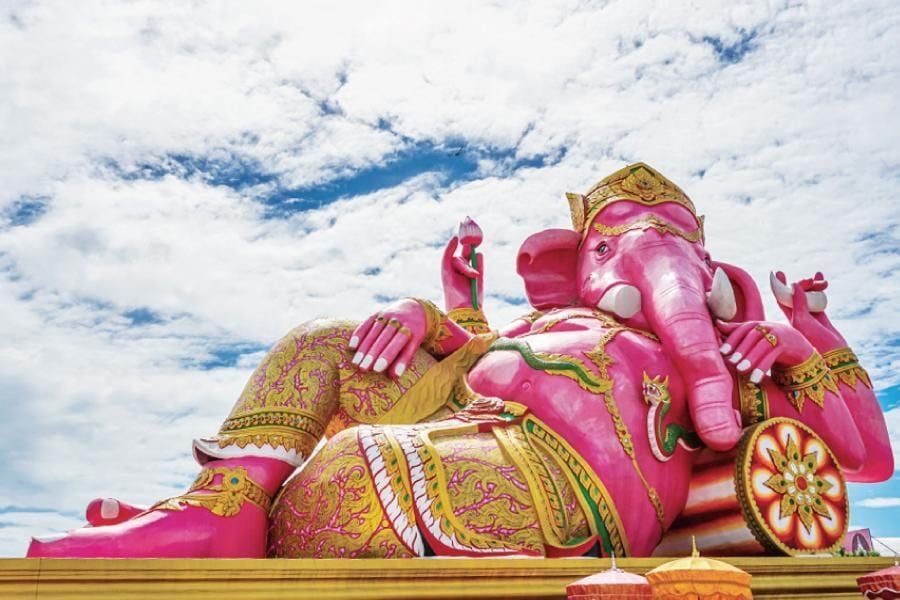
Visitors to Thailand often ask:
“If Thailand is predominantly Buddhist, why do we also see Brahma shrines, Ganesha, spirit houses, guardian spirits, and many other traditional beliefs?”
The answer lies in Thailand’s cultural history.
Thai religious culture did not develop from a single tradition.
Over centuries, Theravāda Buddhism, Brahmanical-Hindu traditions, and indigenous folk beliefs interacted with one another and became woven into Thai society.
🪷 Buddhism as a major spiritual foundation Buddhist teachings emphasize karma, ethical conduct, compassion, wisdom, and liberation from suffering.
Historically, temples have also served important roles in education, community life, ceremonies, and cultural preservation.
🪷 Brahmanical traditions and ceremonial culture Brahmanical traditions have deeply influenced Thai royal ceremonies, state rituals, ideas of auspiciousness, and many traditional rites.
This helps explain why deities and symbols originating from Indian religious traditions remain visible throughout Thailand.
🪷 Folk beliefs and everyday life Beliefs connected with the home, land, ancestors, local guardian spirits, and community traditions have also existed for generations.
As a result, it is not unusual to see someone offer food to monks in the morning, pay respect at a Ganesha or Brahma shrine later in the day, and make an offering at a spirit house at home.
For many Thai people, these practices do not necessarily feel contradictory.
Thai religious culture is therefore better understood not as a single straight line, but as a cultural landscape shaped by many traditions meeting over centuries.